Hardscaping and Landscaping
5 Popular Plants and Materials for Redding’s Climate
Popular plants and materials for Redding climate include drought-resistant natives, durable stone, and concrete for stunning landscapes.
In Redding, California, choosing the right plants and materials is vital for a beautiful outdoor space. The local climate has hot summers and mild winters. This means you need plants that can survive the heat and occasional cold. You also want materials that can handle the sun and wind.
Let’s explore some of the best options for your outdoor projects.
Key Takeaways
- Redding has a hot, dry climate.
- Native plants are great choices for gardens.
- Materials like stone and concrete work well outdoors.
- Choosing the right plants can save water and maintenance.
For more information on landscaping options, visit our landscaping page.
Understanding Redding’s Climate
Redding has a Mediterranean climate. This means it has hot, dry summers and mild, wet winters. The average temperature in summer can reach over 100°F. In winter, temperatures rarely drop below freezing. This weather affects what plants can grow and what materials you should use.
Why Climate Matters
When choosing plants, understanding the climate helps you pick those that thrive. Native plants need less water and are more resistant to pests. This means less work for you!
| Climate Element | Description | Impact on Gardening |
|---|---|---|
| Summer | Hot and dry (100°F+) | Need drought-resistant plants |
| Winter | Mild and wet | Limited frost risk, but some cold-tolerant species can thrive |
| Rainfall | Mostly in winter | Water-efficient practices are crucial |
| Soil Type | Clay and sandy | Amending soil improves plant health |
Popular Native Plants in Redding
Many native plants do well in Redding’s climate. Here are some that you might consider for your garden.
1. California Poppy
The California poppy is bright orange and very hardy. It blooms in spring and can handle dry conditions. This plant attracts bees and butterflies, making your garden lively.
2. Lavender
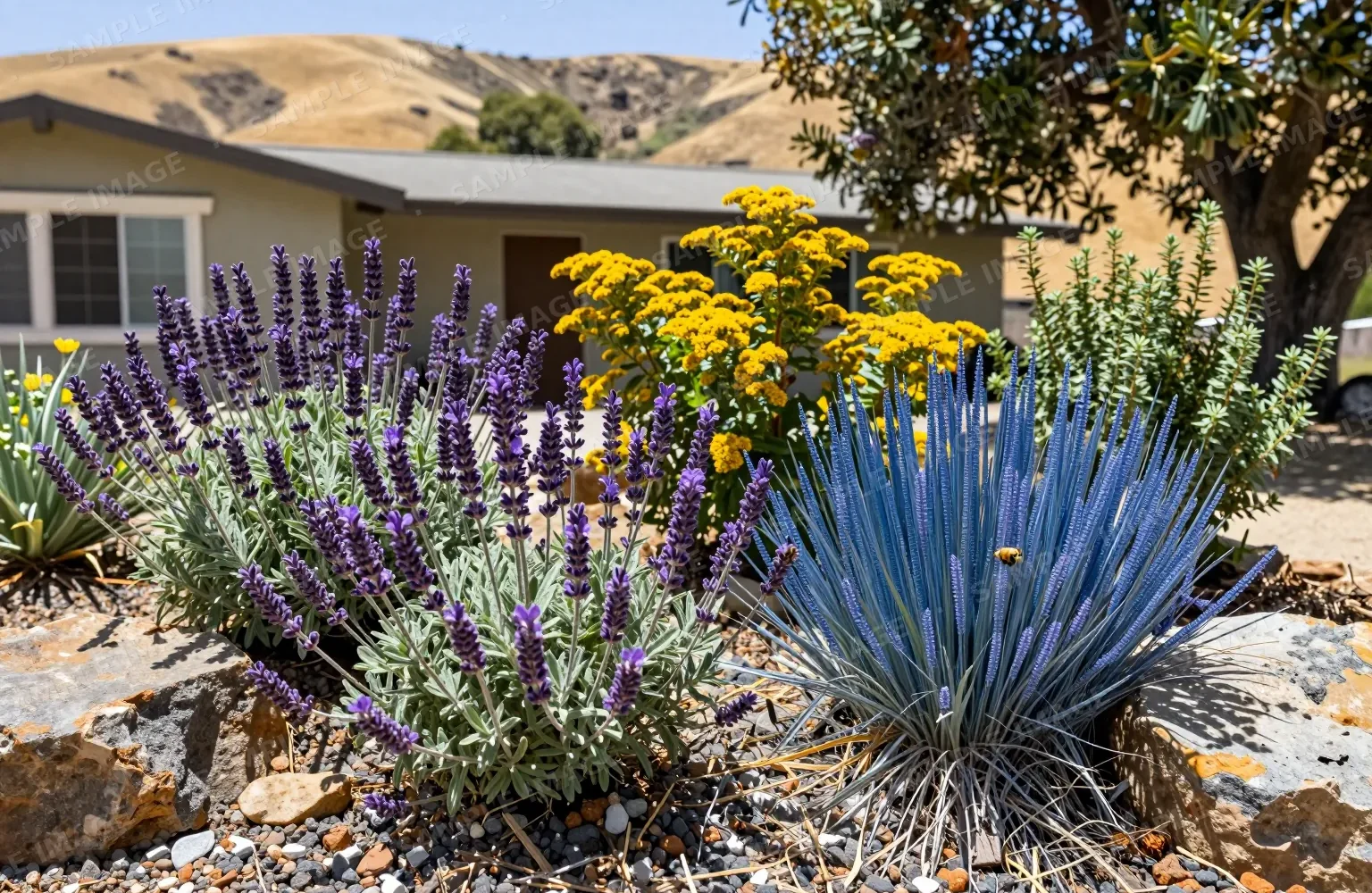
Lavender is not only pretty but also fragrant. It loves the sun and grows well in poor soil. Plus, it attracts beneficial insects. It’s a great choice for a low-maintenance garden.
3. Manzanita
Manzanita has beautiful red bark and evergreen leaves. This plant can handle drought conditions and needs little care. It’s perfect for adding texture to your yard.
4. Toyon
Toyon is a shrub with white flowers that turn into bright red berries. Birds love these berries, so you’ll see more wildlife in your yard. It’s also very hardy and can thrive in dry areas.
5. Sage
Sage is another native plant that does well in heat. Its leaves have a lovely scent, and it can be used in cooking. Plus, it attracts pollinators, helping the environment.
Additional Native Plant Choices
- Yarrow: A hardy perennial known for attracting pollinators and its drought tolerance.
- Buckwheat: Excellent for erosion control and wildlife habitat.
- Ceanothus: A flowering shrub that provides stunning blue blooms and attracts bees.
Drought-Resistant Landscaping
With water being precious in Redding, using drought-resistant plants is smart. Here are a few ideas to create a beautiful, water-efficient landscape.
Xeriscaping
Xeriscaping is a way to landscape that uses little or no water. You can combine native plants, rocks, and mulch to create an attractive yard. This saves water and time.
Mulching
Using mulch around plants keeps the soil moist. It also reduces weeds. You can use wood chips, bark, or even gravel. Mulch is an important part of any drought-resistant garden.
Rock Gardens
Rock gardens are great for Redding’s dry climate. You can use various stones and gravel to create a natural look. Adding plants that thrive in rocky conditions can make it even more interesting.
Materials for Your Outdoor Space
Choosing the right materials for your outdoor projects is just as important as picking plants. Here are some materials that work well in Redding.
Concrete
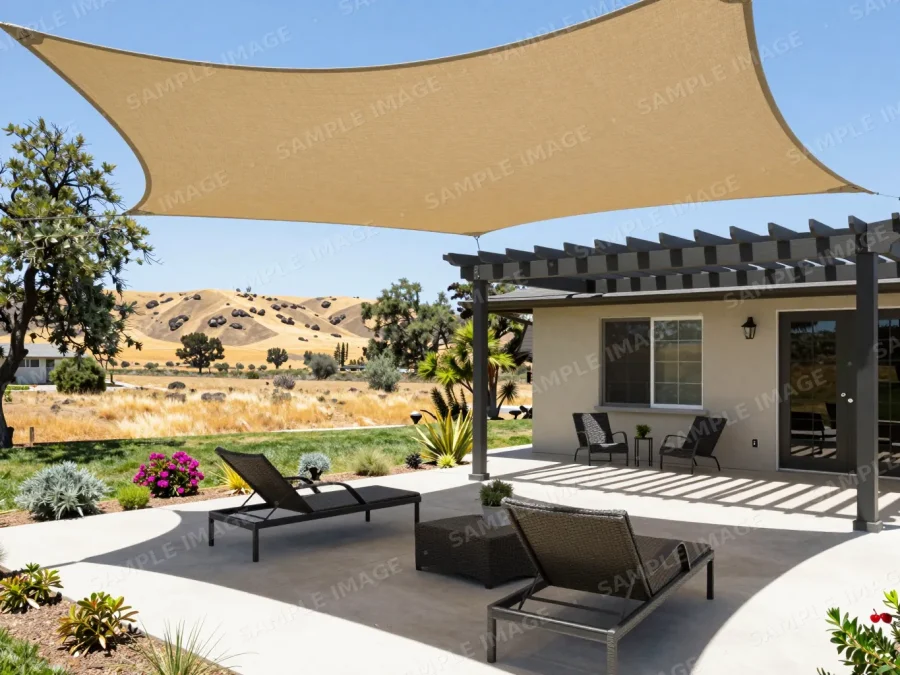
Concrete is durable and can handle heat. It’s great for patios and walkways. It can also be colored or stamped to look more attractive.
Stone
Using stone is another excellent option. Natural stone is strong and can withstand the elements. You can use it for walls, paths, or even as decorative features in your garden.
| Material | Benefits | Ideal Uses |
|---|---|---|
| Concrete | Durable, heat-resistant | Patios, walkways |
| Stone | Natural look, weather-resistant | Walls, paths |
| Wood | Aesthetic appeal, warmth | Fencing, decks |
| Gravel | Good drainage, affordable | Paths, base for plants |
Wood
Wood adds warmth and beauty to any outdoor space. Cedar and redwood are good choices since they resist rot. Just make sure to treat the wood to protect it from the sun and rain.
Gravel
Gravel is affordable and easy to work with. It provides good drainage and can be used for paths or as a base for plants. Plus, it helps reduce weeds.
Combining Plants and Materials
Using a combination of native plants and durable materials will make your outdoor space thrive. Here are some ideas to inspire you.
Planting Beds with Stone Edging
Create planting beds with stone edging. This adds a clean look and keeps soil in place. You can fill the beds with native plants like lavender and sage.
Patios with Potted Plants
Build a concrete patio and add potted plants. Choose colorful pots with hardy plants. This brings life to your outdoor area without taking up too much space.
Rock Features
Incorporate rock features into your landscape. You can create small hills or rock gardens. Plant native flowers in and around the rocks.
Maintenance Tips
Keeping your outdoor space beautiful does not have to be hard. Here are some simple maintenance tips.
Watering
Even drought-resistant plants need water when they are young. Water them deeply but less often. This encourages roots to grow deep.
Weeding
Regular weeding is important. Weeds compete for water and nutrients. Pull them out before they go to seed to keep your garden healthy.
Pruning
Some plants, like lavender and sage, benefit from pruning. This keeps them bushy and helps them flower better. Trim them back in early spring for the best results.
Conclusion
Creating a beautiful outdoor space in Redding is possible with the right plants and materials. Focus on native plants that thrive in the heat, and choose durable materials like stone and wood. By doing this, you can have a garden that is both lovely and easy to care for.
Making these choices will not only enhance your outdoor area but also create a space that is friendly to nature. You will enjoy your garden more when it is vibrant and alive with local birds and butterflies.
So, whether you’re dreaming of a colorful flower bed, a stone pathway, or a cozy patio, remember Redding’s climate. Choose wisely, and your outdoor living space will flourish.
For more inspiration on outdoor projects, check out our hardscaping page.
Additional Resources For Popular Plants and Materials for Redding’s Climate
- Local nurseries: Check out local nurseries for native plants.
- Gardening clubs: Join a gardening club for shared knowledge and tips.
- Online forums: Look for online gardening forums focused on Redding.
Let your outdoor space reflect the beauty of Redding while being kind to the environment. Happy gardening!